Image-to-3D clothing: when to use a GLB mesh instead of angle images
 OutfitChange Studio
Doubao Seed3D can turn one clean garment image into a textured GLB mesh. Learn the right input, limitations and workflow.
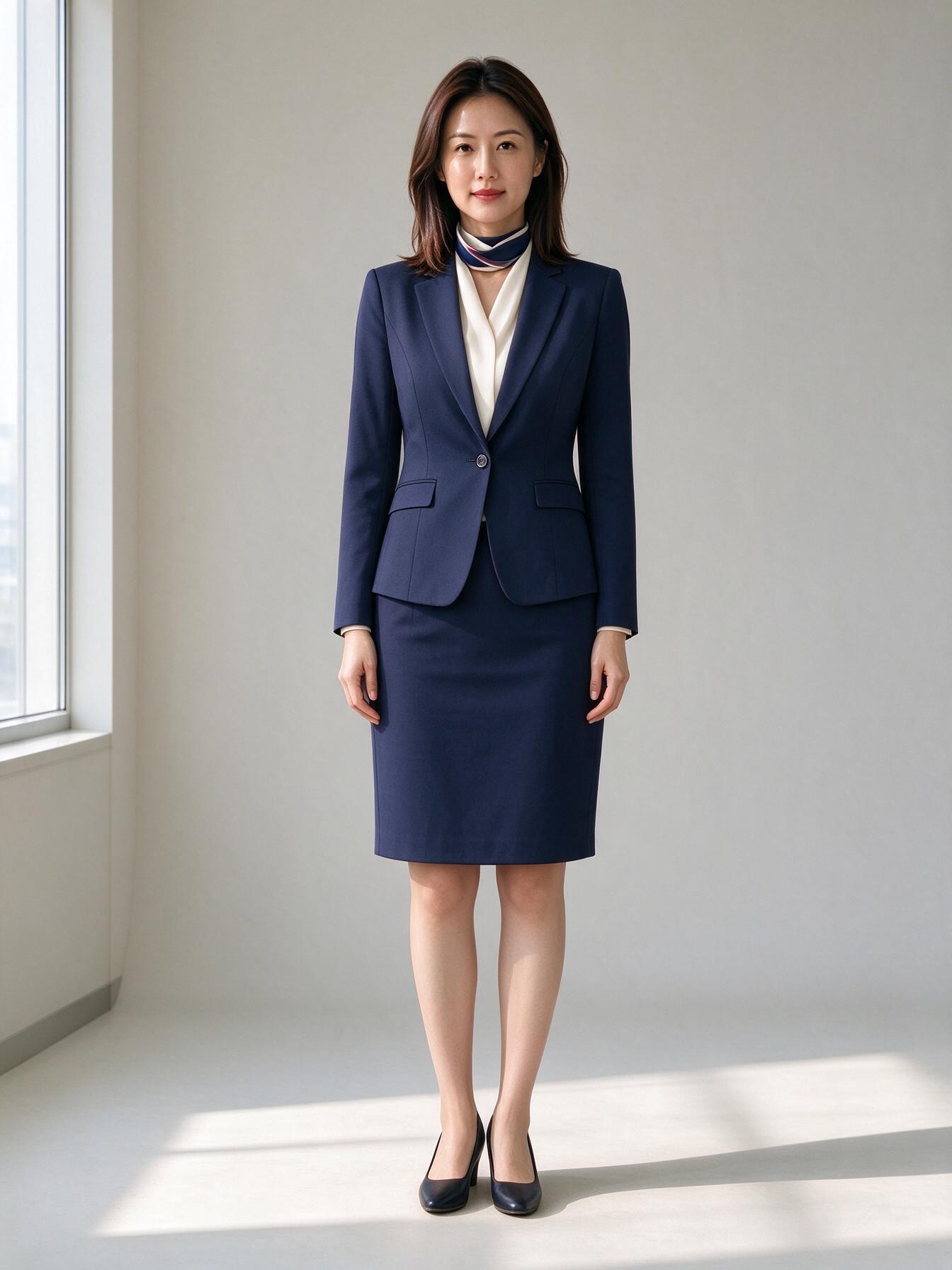
Multi-angle images and 3D meshes solve different problems. Angle images are best for seeing a garment on a person. A GLB mesh is best when you need free rotation, a product viewer or a starting point for a 3D workflow.
What Seed3D produces
Doubao Seed3D 2.0 accepts one garment image and can return a textured model in GLB, OBJ, USD or USDZ. OutfitChange currently requests a medium-density GLB because it is portable and easier to download or hand to a web viewer.
Use the right source image
Use one isolated garment, a plain background, even light and a nearly front-on camera. Avoid hands, hangers covering seams, busy room backgrounds and multiple garments in one frame.
A human try-on photo is not the ideal source for a garment mesh: the model has to infer which pixels belong to the person and which belong to the clothing. Use four-angle image generation for people, and image-to-3D for isolated products.
Understand the limits
Single-image 3D generation has to infer the unseen back, inner surfaces and fabric thickness. The result is useful for product exploration and prototyping, but it is not a manufacturing pattern and should not be treated as a precision garment scan.
Because each 3D task has a materially higher provider cost than one image and produces a downloadable asset, the feature is limited to active members.